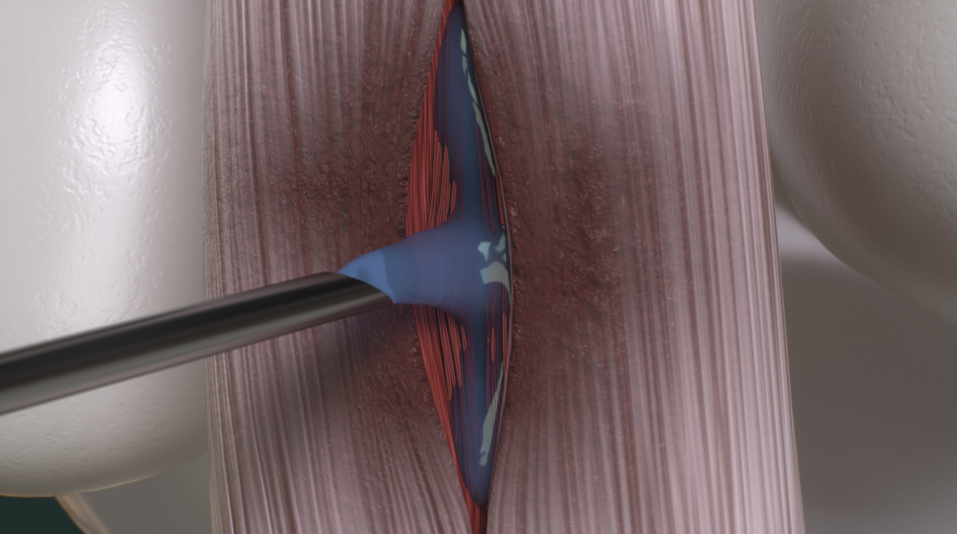
equicenta® CTM is a cryopreserved allogeneic equine umbilical cord connective tissue matrix designed for intra-articular and peri-articular use in horses — a cushioning, space-filling matrix that provides supplemental structural support to musculoskeletal tissue spaces.
Our peer-reviewed trial in Frontiers in Veterinary Science is live, the largest controlled trial of its kind in equine regenerative medicine.
Read the Study →



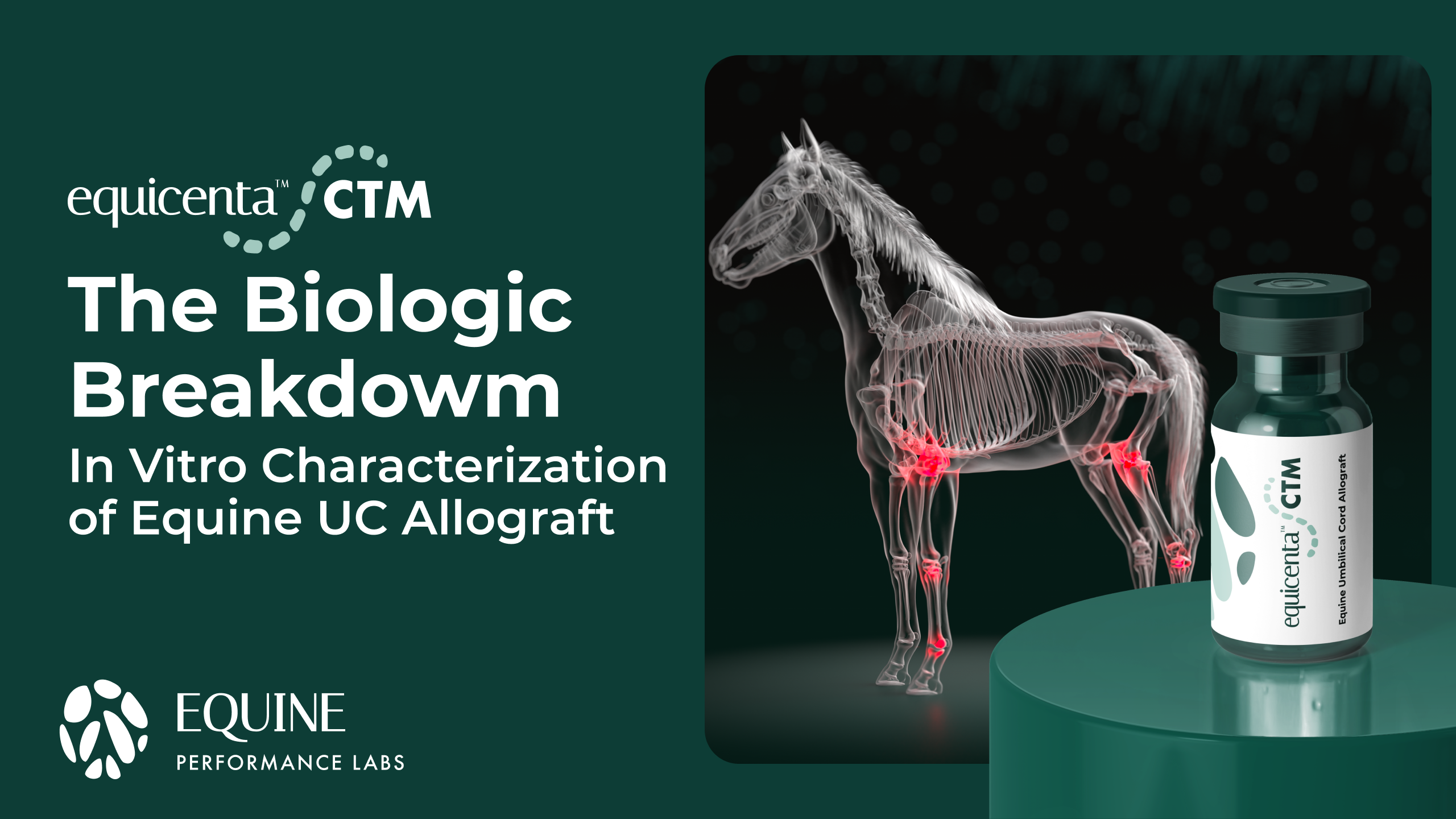
To characterize the protein composition and cytokine profile of a cryopreserved, microparticulate equine umbilical cord (UC)…
Read More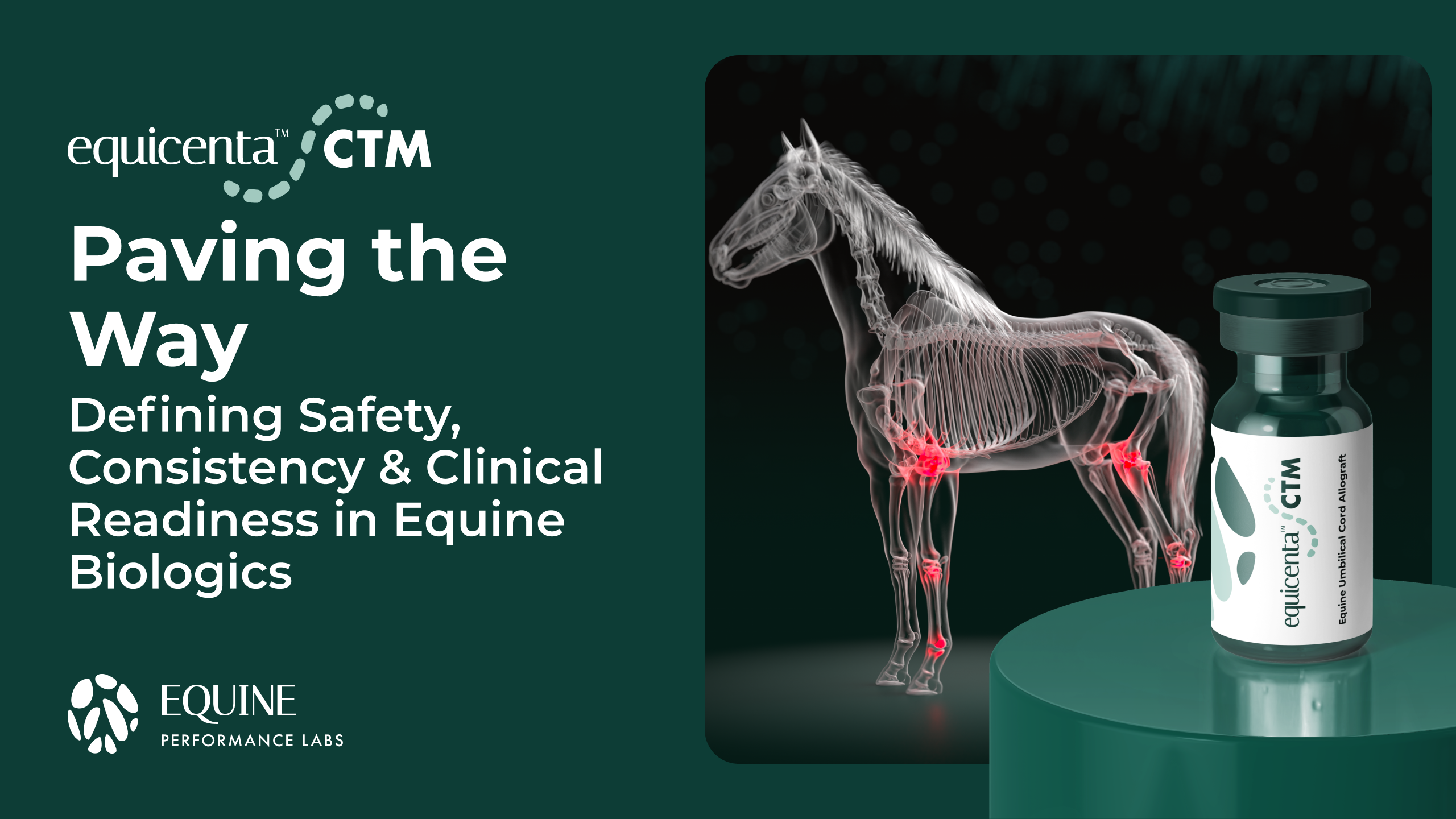
A summary of the article: “Cryopreserved equine umbilical cord tissue allograft characterization and…”
Read More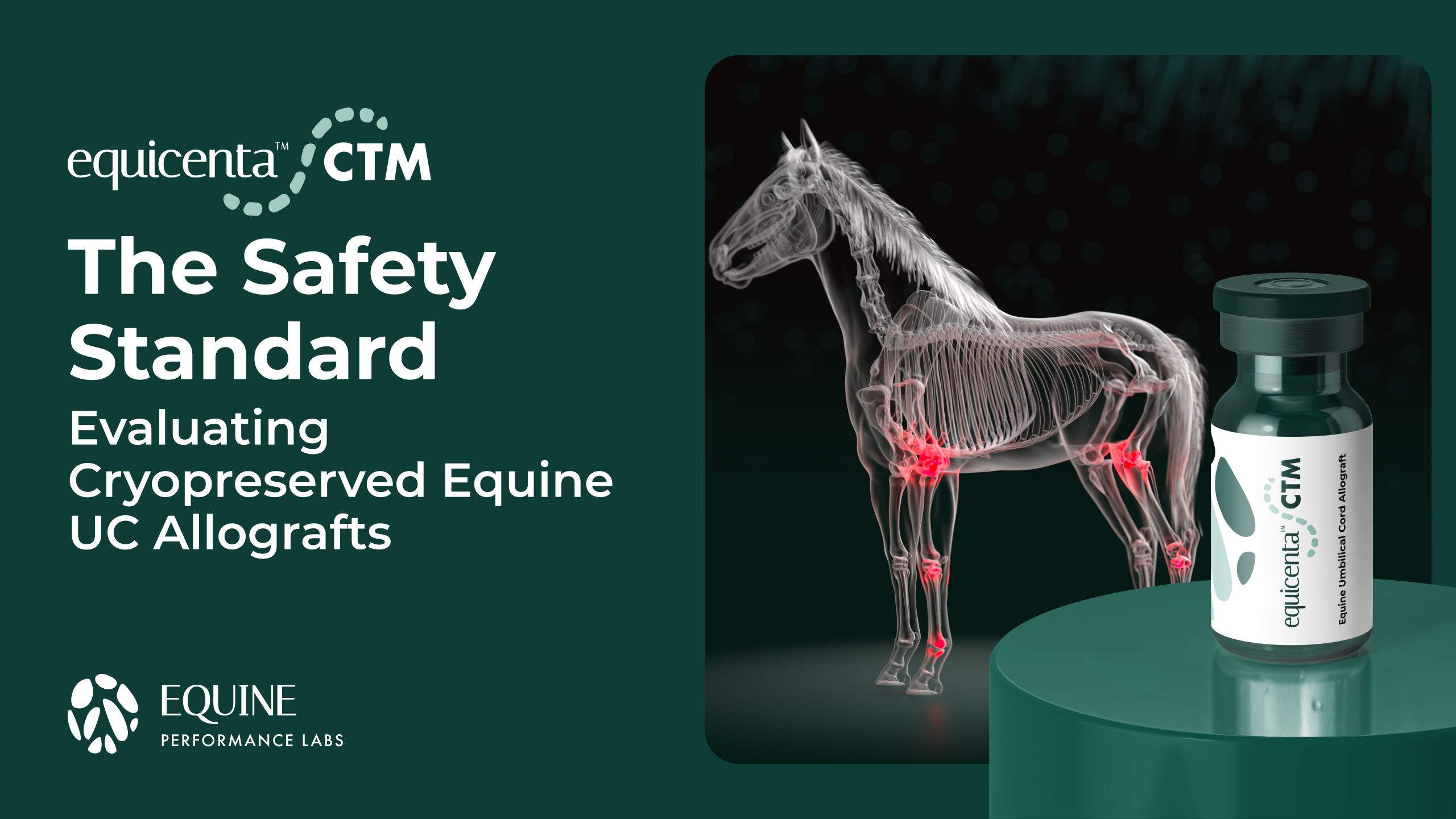
This summary highlights the robust safety profile of a cryopreserved equine umbilical cord allograft, as demonstrated through…
Read More
Lot-to-lot consistency analysis demonstrating <5% batch-to-batch variation across donors and what that means for clinical reliability…
Read MoreIntended as a space-filling connective tissue matrix for use within and around equine joints, tendons, and ligaments for a single injection.
Intra-articular and peri-articular (including intralesional) injection only; not for intravenous use.
1.5 mL per joint, tendon, or ligament, with dose adjusted based on joint or lesion size and clinician judgment.
Each vial is intended for one patient and one injection. Do not reuse, re-sterilize, or refreeze once thawed.
Use as part of a multimodal plan that may include controlled exercise, rehabilitation, and other standard-of-care interventions.
Instructions for Use — full technical and safety information.
Request IFU
Track every unit, end-to-end. Tissue tracking is handled through our comprehensive vet portal, designed to give veterinary practices seamless documentation, easy updates, and full-cycle traceability — from receipt through administration and reporting. Access is provided to verified veterinary practices upon account setup.
Ultra-low storage temperature required. equicenta® CTM is shipped frozen and must be maintained in ultra-low storage temperature from receipt until use. Upon delivery, promptly transfer the product to a freezer that maintains the required storage conditions specified in the IFU.
Detailed storage and handling specifications, including thaw procedures and use windows, are provided in the IFU and reviewed with your team during onboarding.
Note: For clinics interested in adding our products to their formulary or establishing standing orders, our team can provide account setup support, logistics details, and educational resources for your veterinarians and staff.
Contact Our Team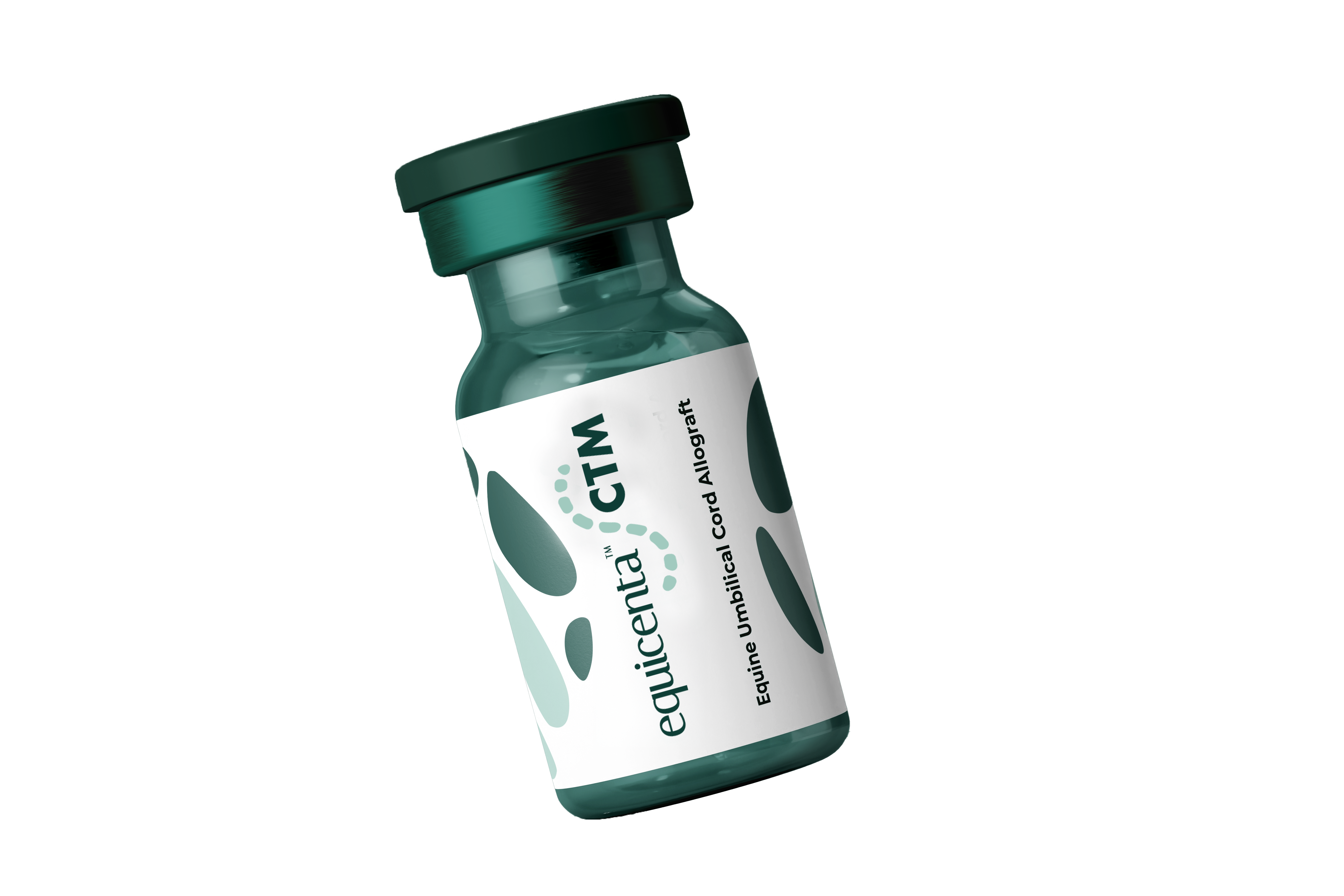
Designed to support equine joints, tendons, and ligaments through a scaffold-based, biologically active approach.
Support joint health with a connective tissue matrix designed to complement your veterinarian’s treatment plan. equicenta® CTM provides a scaffold and bioactive signals within the joint environment, helping support comfort, function, and long-term soundness—without relying on steroids or repeated procedures.
See How It WorksTarget ligament injuries with a matrix-based approach that supports structured tissue response. equicenta® CTM delivers both biologic signaling and a native scaffold, designed to work alongside controlled rehabilitation to help support organized healing and reduce reliance on short-term symptom management.
See How It Works
Following surgery, the focus shifts to recovery, stability, and long-term outcome. equicenta® CTM can be used as part of a comprehensive post-operative plan to support the healing environment, complementing surgical repair and rehabilitation protocols while prioritizing the horse’s long-term function and comfort.
See How It WorksFrequently asked questions, answered by our clinical team.
* Data on file.
“In cases like severe synovitis and collateral ligament injury, equicenta® CTM produced faster, more complete responses than I typically see with other treatments.Dr. Lacher Read More
“Before the ribbons, before the results — Vivi’s journey through injury, recovery, and return to work.Vivi’s Story Read More
“After tearing the tendon in his front leg, we weren’t sure who Moo would be on the other side—but with equicenta® CTM, we got him back.Teri T. Read More
Support your clinical workflow with a ready-to-use connective tissue matrix backed by controlled safety data.
Contact Us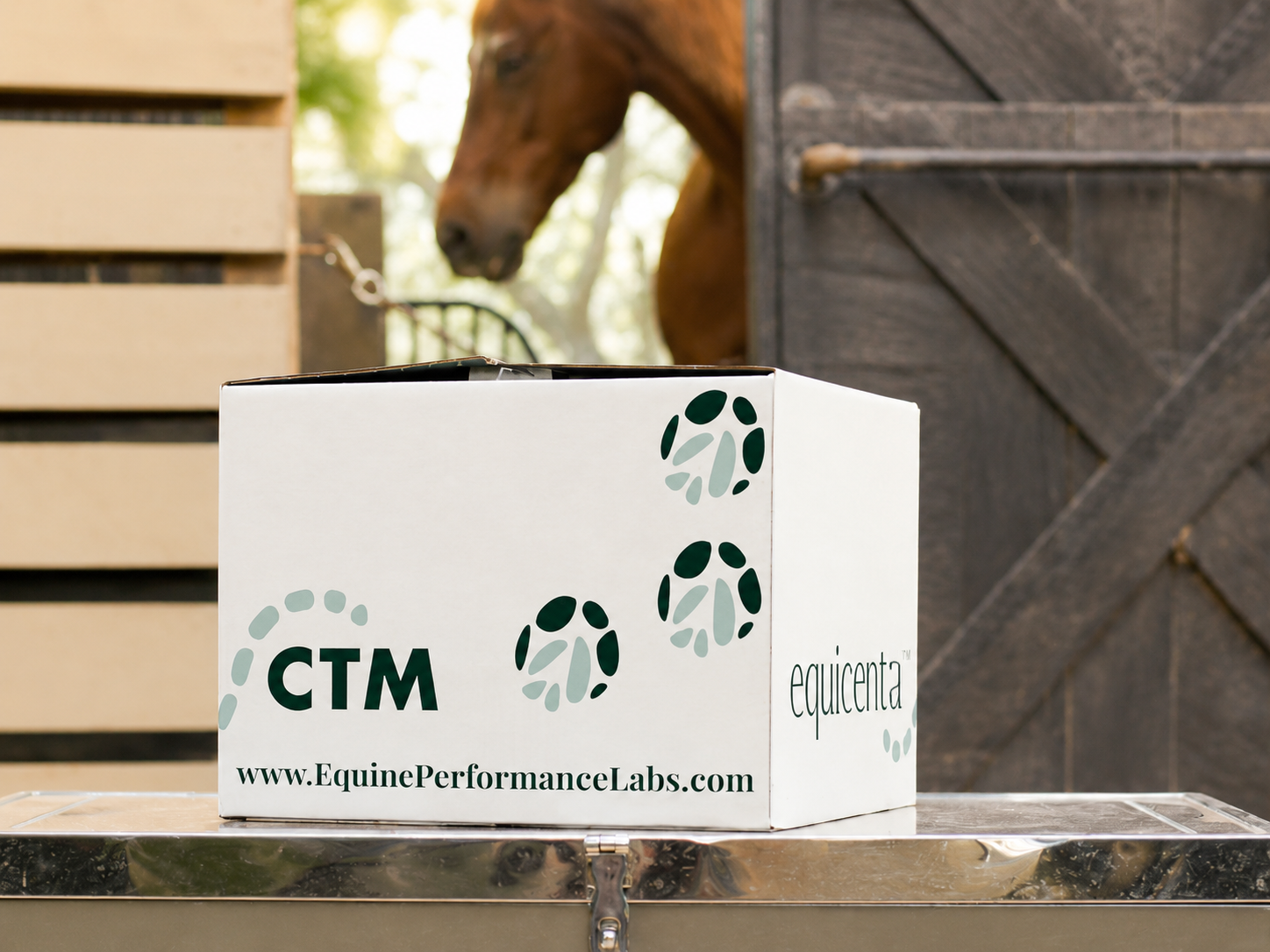

Now Published
A peer-reviewed, multi-center trial found a single injection of equicenta® CTM delivered 2.72:1 odds of returning to prior performance and a superior safety profile versus standard of care.
For use by or on the order of a licensed veterinarian. Not for use in humans.
By submitting, you agree to receive occasional science and product updates from Equine Performance Labs. Unsubscribe anytime.